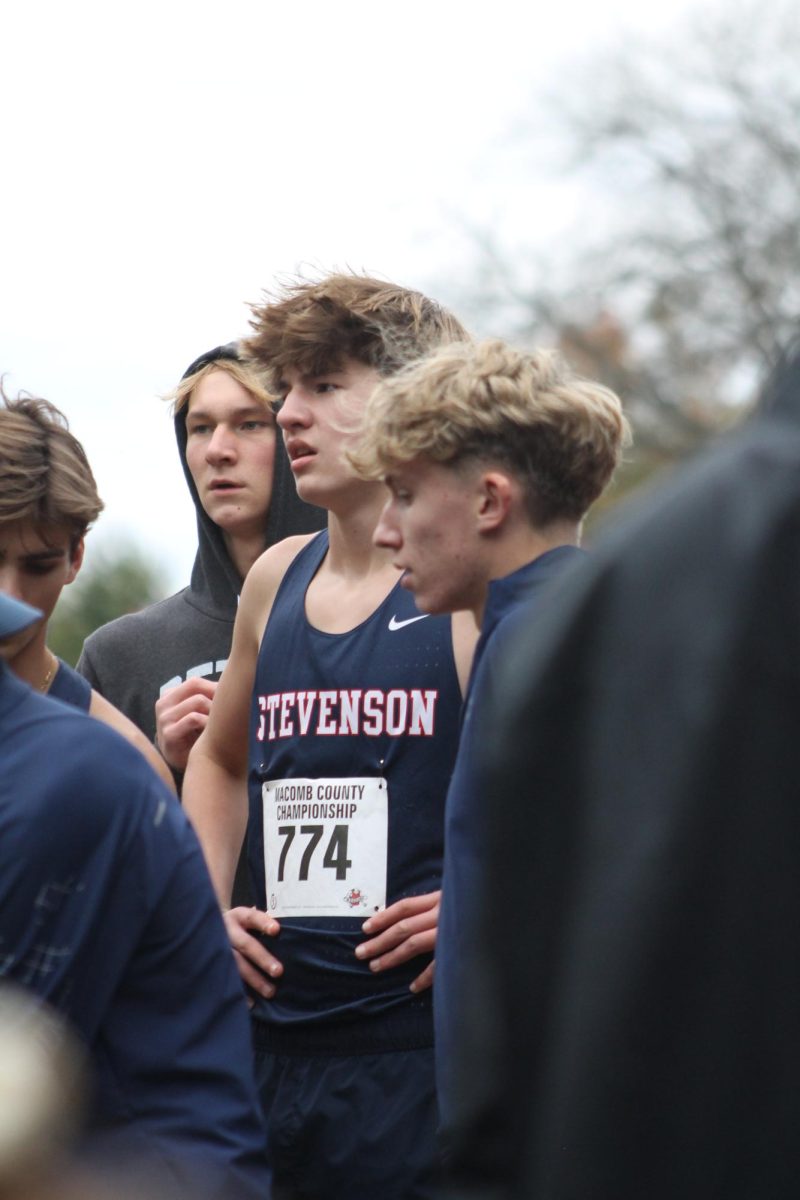
Between early mornings, long practices and late-night homework, student athletes are learning that success requires more than talent. It demands time, discipline and constant balance.
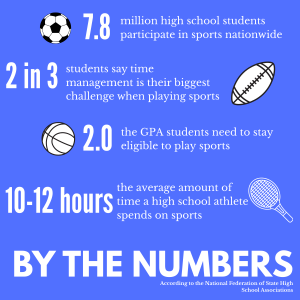
According to the National Federation of State High School Associations, more than 7.8 million high school students participate in sports nationwide, highlighting just how many teens juggle demanding schedules each day.
Before committing to packed calendars, students say it’s important to be realistic about what they can handle. Without that awareness, trying to do everything can quickly become overwhelming. For Gabrielle Pitts ’27, balancing school, track and a job means every minute counts. From the moment her day starts, she is moving from one responsibility to the next.
“While waking up and going to school, having track practice and work at 4:00, I plan out my schedule and utilize all the time I have left to complete my homework,” Pitts said. “After work I get home around 8 p.m.”
Expectations for student athletes extend beyond the field. Coaches like Ryan Reason emphasize that academic performance comes first, reinforcing the idea that athletics and academics go hand in hand.
“We hold our athletes to high standards,” coach Reason said. “They are not allowed to have anything below a C- and can have no missing assignments.”
To support that balance, schools provide tutoring and structure practices after the school day. Still, maintaining eligibility requires consistent focus and effort.
“Athletes must be more focused on their academics,” Reason said. “If they do not maintain a certain GPA, they cannot play.”
For varsity athletes, the challenge intensifies. With rigorous classes and demanding practices, adding a job can feel nearly impossible. Alek Sadikovic ’26, a CSI student and soccer player, has learned to make the most of his time during the school day. In the end, student athletes say balance is less about doing everything and more about managing priorities; one practice, assignment and late night at a time.
“I make sure to try and do as much of my homework as I can during school,” Sadikovic said. “This makes sure that I have little to no work to do at home after my long practice, so I can get the rest and replenish my energy for the next day.”